

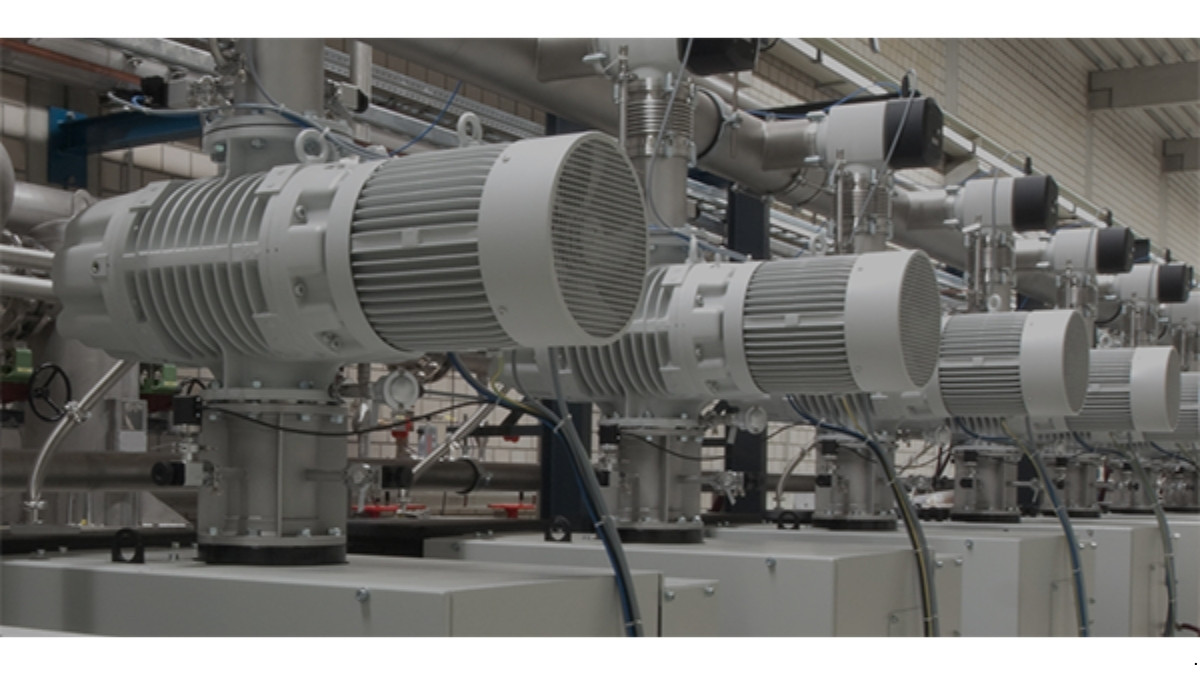
Industrial facilities depend on electric motors to keep pumps, conveyors, compressors, fans, and processing equipment moving throughout daily operations. These motors often work across changing loads, production cycles, ambient temperatures, and electrical conditions.
Their performance therefore influences productivity, equipment availability, energy use, and process continuity across the facility. As plants become more connected, engineers also need clearer visibility into how motors respond during operation.
A well-planned approach to the best motor protection devices supports this growing need for dependable electrical performance. Let’s explore how the right protection approach can support reliable and efficient industrial operations.
How Protective Systems Support Reliable Industrial Operations
Effective protection brings electrical safeguards, control, and monitoring together around the operating requirements of each motor. The right arrangement considers motor rating, starting method, duty cycle, load characteristics, installation conditions, and coordination with upstream electrical devices.
- Coordinating Short-circuit Protection
Motor circuits require suitable short-circuit protection as part of the overall electrical installation. Contactors and starters are commonly coordinated with appropriate protective devices.
A motor protection circuit breaker can combine thermal overload and magnetic short-circuit functions within one compact device. This arrangement can simplify panel design while supporting coordinated switching and protection.
Device selection should consider rated current, breaking capacity, system voltage, conductor size, and the motor starting profile.
- Managing Overload Conditions with Precision
Motors may draw elevated current when mechanical demand increases, or operating conditions change. Thermal or electronic overload relays monitor current and respond according to configured trip characteristics.
This approach helps keep winding temperatures within suitable operating limits. Thermal detectors can also provide direct temperature information from locations such as stator windings.
Correct settings should reflect the motor nameplate current, service conditions, starting time, and applicable coordination requirements.
- Monitoring Phase and Current Imbalances
Three-phase motors perform best when supply conditions remain balanced. Electronic protection devices can monitor phase loss, current imbalance, and related operating conditions.
This layer of motor protection gives maintenance teams useful information about the motor’s electrical behavior. It also supports timely investigation when current values move beyond configured operating limits.
Advanced relays may provide status information, event records, and communication functions for integration with industrial control systems.
- Turning Motor Data into Maintenance Insight
Connected relays and monitoring devices can provide current, thermal, trip, and operating information to maintenance teams. These insights support condition-based maintenance planning.
Trend data can help teams compare operating patterns across shifts, loads, or production cycles. Maintenance planning can then reflect actual equipment behavior. Clear diagnostics also make motor protection valuable for informed troubleshooting, reset decisions, and coordination between electrical and maintenance teams.
- Supporting Better Motor Starting and Control
Starting current and acceleration time vary with motor design, connected load, and starting method. Direct-on-line starters, soft starters, and variable speed drives require appropriate coordination.
Proper motor protection aligns device settings with the expected starting profile. This helps distinguish normal starting behavior from conditions requiring a protective response.
Engineers can also coordinate contactors, circuit breakers, overload relays, and control devices around the application’s electrical characteristics.
Building Dependable Motor Systems for the Future
Reliable motor systems begin with thoughtful electrical design and continue through correct selection, settings, coordination, and routine review. As industrial facilities adopt greater automation, protection devices can also contribute useful operating data for smarter maintenance decisions.
Engineers can strengthen results by matching every device to the motor rating, application duty, and surrounding electrical system. Regular testing and documented settings further support consistent performance as operating conditions evolve.
Partnering with a reputable electrical brand provides access to proven components, application guidance, and coordinated solutions for diverse industrial requirements. With the right motor protection strategy, facilities can support long-term productivity, operational confidence, and efficient industrial growth.