

Yesterday, Meta introduced the world’s first personal AI agent called Muse. Muse runs on Muse Secure VM, a dedicated, virtual machine (VM) that houses both the agent and a person’s data.
Introducing Muse, your personal AI agent from Meta that gets things done across every part of life.
Download the Muse app and get started: https://t.co/KBjYWfshGo pic.twitter.com/1exp56xj93
— Muse (@Muse) September 8, 2026
Muse personal AI agent
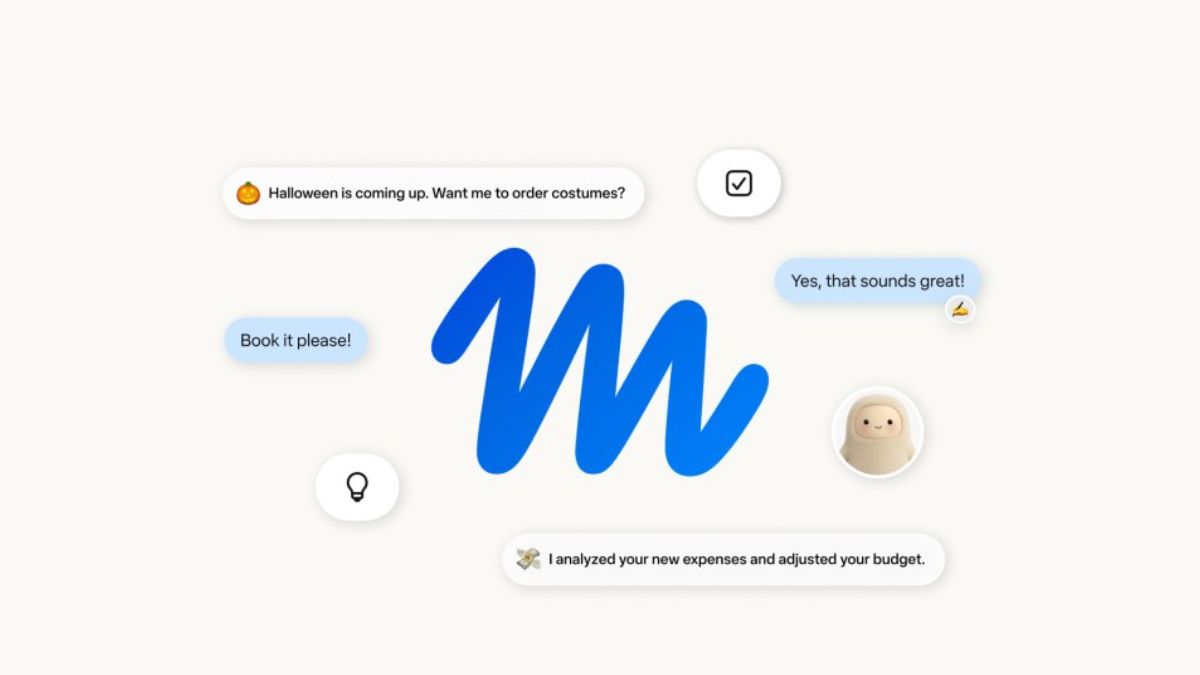
People just tell Muse what needs to get done, and it takes action, powered by Muse Spark, Meta’s most capable model to date, built for real-world agentic work. Muse can handle tasks like sending an email or booking travel, and it can take on big, audacious goals.
Once a person shares a goal with Muse, it helps them develop a personalised plan and coordinate their time and resources, then advances the work on its own. It can open a browser, fill out forms, and negotiate on their behalf.
Also, for tasks that take more time, Muse keeps working after people close the app and comes back when something changes or when it needs approval, like before it sends an email or makes a purchase.
When it comes time to pay, Muse can check out with Link built by Stripe, and it is the first AI agent covered by Link’s purchase protections: free coverage for damaged or lost items, price drops, no-fee returns, and a return guarantee on eligible purchases. Link’s wallet for agents generates a one-time-use card, so your real card details stay hidden, allowing you to purchase safely across the internet. Shop Pay is coming soon as another way to pay, along with 1Password support so Muse can use logins a person already has.
Muse can also make suggestions unprompted and act on details that a person only mentioned once.
Key features of Muse
- Muse runs on its own dedicated computer in the cloud, contained so no one else’s agent can reach it. That is where Muse lives and where the data and credentials for any service a person connects are securely stored.
- A separate Sentinel agent runs on that same machine, kept apart from Muse at the system level. Nothing Muse does reaches the internet unless the Sentinel approves it, and it asks the person for permission when needed.
- Muse has no visibility into people’s passwords or payment methods. Any credentials a person shares go into secure storage, so Muse can use them without seeing them, including passwords a person types into the browser themselves.
- Muse checks with the person before sensitive actions like sending an email or making a purchase. Muse shows people a complete audit trail of everything it has done and plans to do.
- People choose which apps Muse connects to and exactly how much access it gets. For things like email, people choose what Muse can do, whether it reads their mail or can also send on their behalf.
- People can change access or disconnect a service whenever they want. People can also opt out of their interactions being used to train Meta’s AI models.
- Muse doesn’t share a person’s conversations or the data in their VM with Meta’s ad systems.
- Muse remembers what matters to a person, and they can always tell it to “forget” specific things it’s learned.
Availability
Muse is rolling out in the US on iOS, Android, and muse.ai, and coming soon to AI glasses. Later this year, Meta will introduce Muse Confidential VM, where the whole VM, including a person’s data and conversations with Muse, is encrypted.
It is free for most needs, while subscription plans will be available for users who want to do more.