

Recently, Microsoft announced the general availability of more than 20 purpose-built legal skills and new partner-built plugins, bringing legal-specific capabilities and trusted sources directly into Microsoft Copilot.
Earlier this year, we introduced new AI capabilities for legal professionals. Today, we’re expanding them with more than 20 legal skills and new partner-built plugins.@Microsoft Copilot can now help lawyers turn an approved template into a new agreement, review a contract and… pic.twitter.com/YVY2zB8peU
— Brad Smith (@BradSmi) October 15, 2026
Legal plugins in Copilot
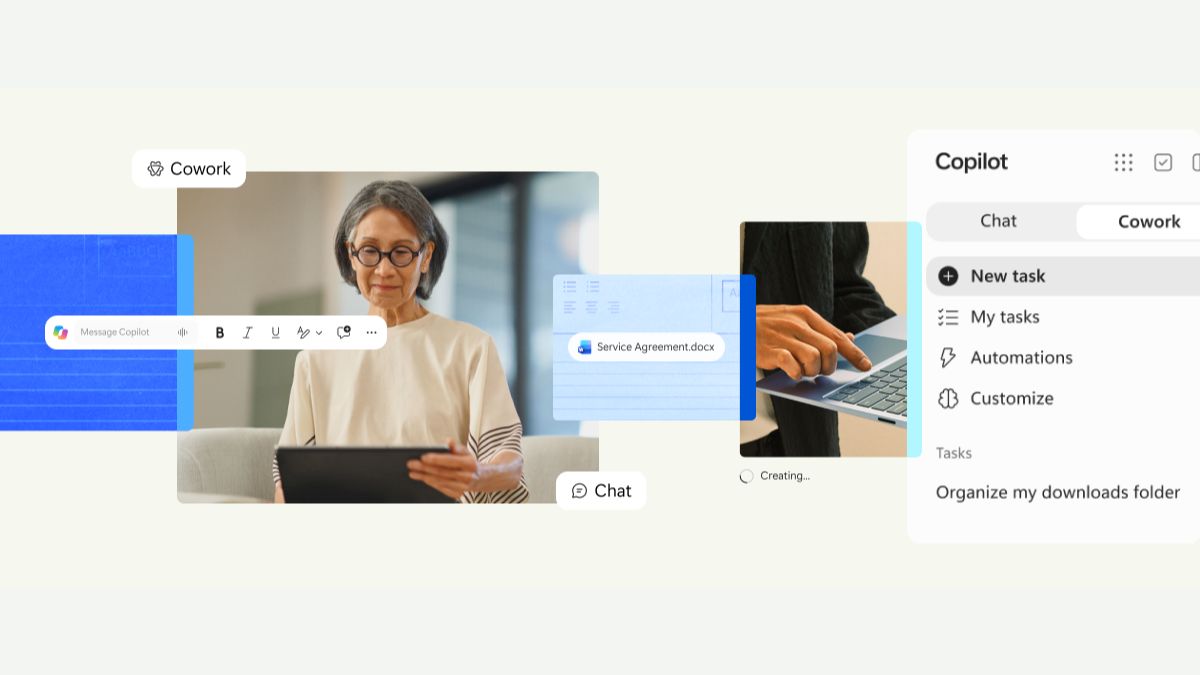
The legal plugins go beyond prompts to support deeper document work in Word, work across multiple files and steps in Cowork, and connect to the trusted systems and sources that legal teams rely on.
Microsoft has built these legal capabilities alongside legal engineers who help translate real-world legal standards, practices, and workflows into the experience. Each skill combines legal-specific reasoning with the native capabilities of Microsoft 365 to produce work in the format legal teams need.
When redlining an agreement, for example, Copilot can determine how a clause should change while Word applies the edit as a native tracked change and preserves the document’s formatting. Similarly, when drafting a new contract, Copilot can draw on approved precedents in SharePoint, then use native Word content controls to create structured placeholders that remain editable and consistent throughout the document.
In Word, Copilot supports deep document work, with experiences built directly into the document that help legal professionals review, refine, and act on their work. In Cowork, legal professionals can delegate broader, multi-step work across agreements, emails, meetings and files, such as tracking obligations and deadlines across contract portfolios, comparing key terms across agreements, and building case chronologies.
Work IQ is the intelligence layer that connects Copilot and agents to your organisation’s real-time knowledge, context, people, and work.
For legal teams, these capabilities can streamline the work that fills their day:
- Draft and prepare faster: Turn approved precedents and templates into new agreements or structured legal memos.
- Review and negotiate with confidence: Review agreements against playbooks, help identify terms needing attention, and propose tracked edits.
- Stay on top of obligations: Extract commitments, deadlines, and triggers, and trace related agreements to determine which terms remain in force.
- Turn research into guidance: Compare materials and requirements, identify potential gaps, and develop the analysis into structured guidance.
- Move matters forward: Build case chronologies, surface key dates and open questions, and turn meeting records into formal minutes and resolutions.
Alongside these generally available capabilities, a new Word experience coming to preview later this month will help legal professionals navigate between defined terms and their definitions across a document.
Connected across legal systems and data
These partner-built legal plugins are beginning to roll out through the Microsoft plugin registry, with additional plugins becoming available over time.
- Legal research: Bloomberg Law, Trellis, Descrybe Legal Engine, Legal Data Hunter, Courtroom5, and Lawstronaut
- Document, matter, and transaction management: iManage Work, NetDocuments, Box, Litera, HighQ from Thomson Reuters, LegalZoom, and Solve Intelligence
- Agreements and electronic signature: DocuSign, Juro, Adobe Acrobat Sign, LawVu, SignatureAPI, Dropbox Sign, and PandaDoc
- Specialised Legal AI: Harvey, Legora, DeepJudge
- E-Discovery and Legal Intelligence: Everlaw, Relativity
Together, these plugins bring the specialised tools and sources legal teams trust into the Copilot experience.
Trusted for sensitive legal work
In Word, Copilot presents proposed edits for review and applies them only with the user’s approval. Approved templates and reusable playbooks help legal teams work from established standards, while Copilot processes prompts and responses within the Microsoft 365 service boundary, with enterprise data protection. Copilot works only with content each user can access, honors sensitivity labels, and does not use prompts, responses, or documents to train the underlying foundation models.
Availability
The new legal capabilities in Copilot are generally available to Microsoft Copilot customers worldwide.