


In March, PlayStation Spectral Super Resolution (PSSR) was launched on PS5 Pro. PSSR analyses game images pixel by pixel and uses AI to upscale them with more detail and stability than conventional approaches.
Gamers were curious whether this technology would arrive on the PS5 console, but PSSR’s computational demands made bringing that experience to PS5 impossible. But the company has now announced a new performance tier of AI Upscaling for PS5: Quick Spectral Super Resolution (QSSR).
QSSR coming to PS5
QSSR has arrived from Project Amethyst, PlayStation’s AI graphics collaboration with AMD. It is built on two new innovations:
- A streamlined neural network architecture
- A hand-tuned implementation that maximises performance on PS5
QSSR will provide some notable improvements to both image detail and image stability on PS5. The first titles to use this innovative new library are Marvel’s Wolverine and Ghost of Yotei. Both are being patched to offer QSSR as an additional graphics option on PS5.
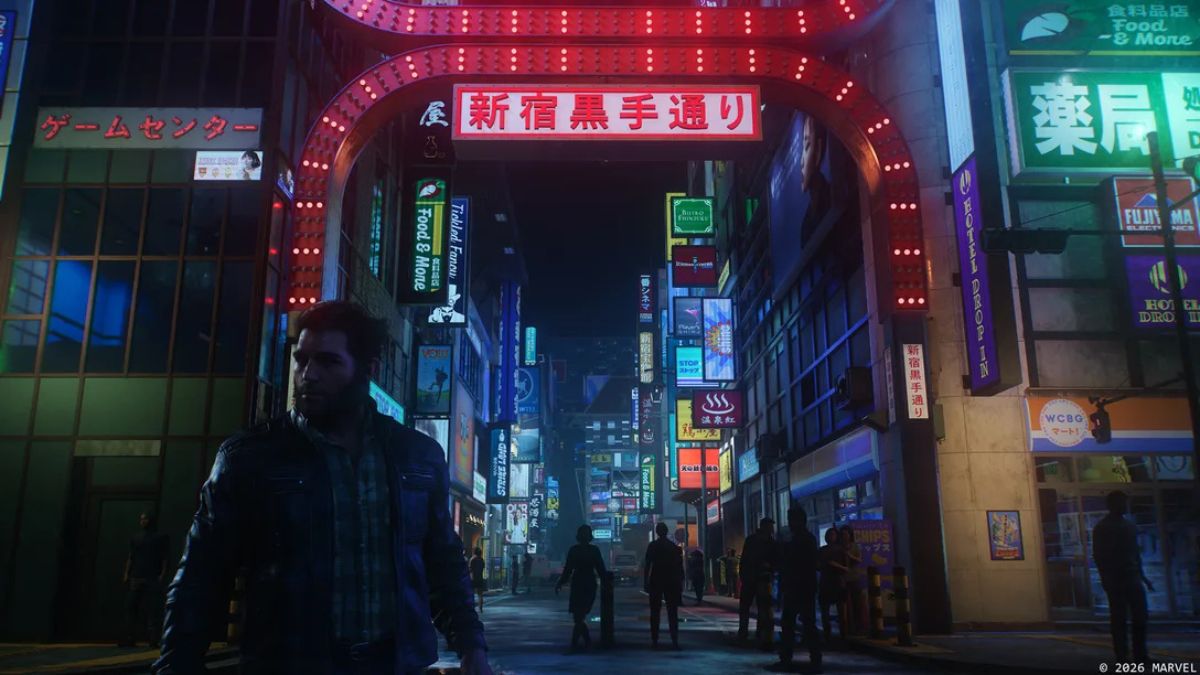
According to Mike Fitzgerald, Head of Technology/ Insomniac Games, “QSSR adds more pixel-level clarity and stability to our environments, bringing out extra detail amidst the busy streets of Madripoor, the dense alleyways of Shinjuku, and many other areas across Logan’s epic journey. It’s a perfect companion to the launch of Marvel’s Wolverine, and it brings a great taste of the PS5 Pro experience to our players on PS5.”
Meanwhile, Jasmin Patry, Lead Rendering Engineer/ Sucker Punch Productions, said, “At Sucker Punch, we’re excited to bring QSSR to Ghost of Yōtei players so that they can experience the world we’ve created with even more clarity and detail. QSSR excels at resolving the fine details in our characters and environments and does so with a level of temporal stability that hasn’t been possible on the PS5 console until now. We’ve long wished that all PS5 players could experience the incredible image quality that PSSR brings to PS5 Pro, and QSSR is a positive step towards that goal!”
QSSR will also be offered broadly to all PlayStation developers, so that the technology can be used in more titles going forward.