


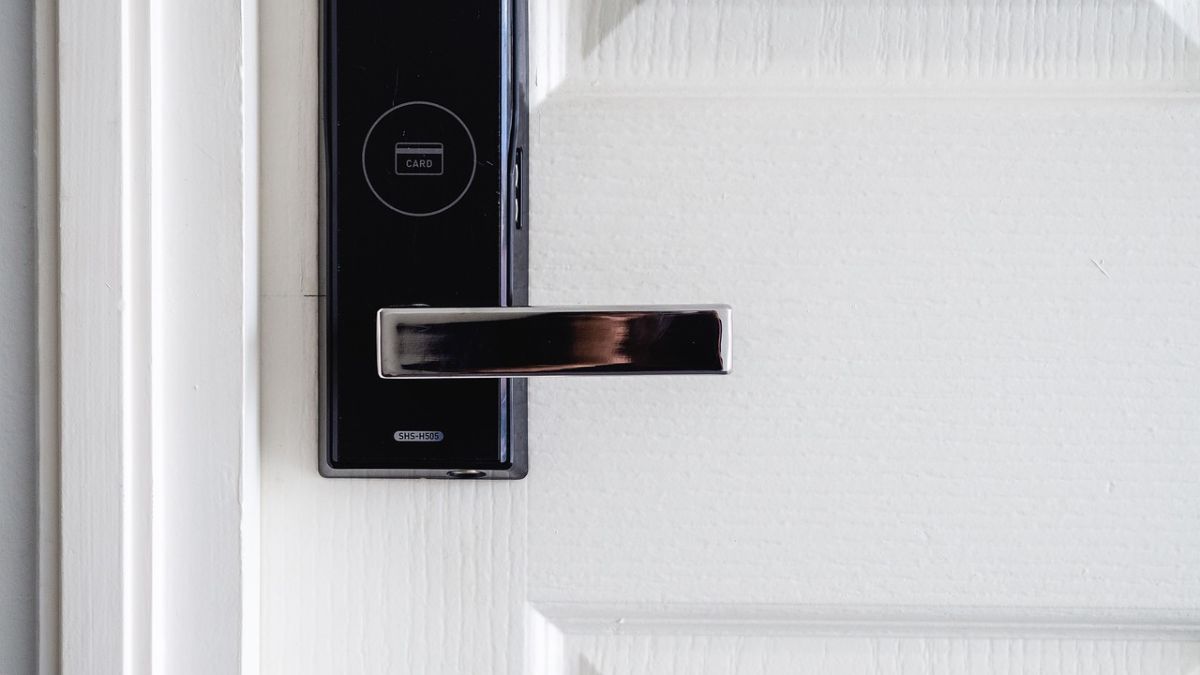
For decades, traditional keys have been the standard for home security. The familiar metal key, often carried on a keyring or tucked into a pocket, has been a symbol of safety and access. However, in recent years, a noticeable shift has emerged in how homeowners are securing their properties. Increasingly, people are moving away from traditional keys in favor of more advanced, technology-driven alternatives. Several factors are driving this change, ranging from convenience to enhanced security features.
Convenience Drives the Shift
One of the primary reasons homeowners are ditching conventional keys is convenience. Physical keys can be easily lost, misplaced, or forgotten. For families with multiple members, managing several copies of the same key can become a logistical challenge. Smart locks and keyless entry systems eliminate these issues by allowing homeowners to unlock doors using codes, smartphones, or biometric data. This makes it easy to grant temporary access to guests, maintenance workers, or house sitters without the need for physical keys.
Enhanced Security Features
Security is another major factor influencing this trend. Traditional keys can be duplicated without the homeowner’s knowledge, making homes vulnerable to unauthorized access. Additionally, lost or stolen keys pose an immediate risk, often requiring the replacement of locks, which can be costly and time-consuming. In contrast, modern security systems, such as smart locks integrated with access control security systems, provide real-time monitoring and alerts. Homeowners can track who enters and exits their property, set access schedules, and even revoke permissions instantly if needed. This level of control was unimaginable with conventional keys.
Integration with Smart Home Technology
The rise of smart home technology has further accelerated the decline of traditional keys. Integration with home automation platforms allows users to lock or unlock doors remotely, check the status of doors, and receive notifications if unusual activity is detected. For tech-savvy homeowners, this connectivity is appealing not only for convenience but also for the enhanced peace of mind it offers. A home can now respond intelligently to its environment, improving both safety and efficiency.
Adapting to Modern Lifestyles
Beyond security and convenience, lifestyle changes are also influencing the shift. Many modern homeowners prioritize flexibility and adaptability in their living spaces. With the growing popularity of short-term rentals, shared housing, and remote property management, keyless systems offer practical solutions. Homeowners can provide temporary access to visitors without worrying about lost keys or changing locks frequently. This flexibility fits the demands of contemporary living, where mobility and convenience are highly valued.
Long-Term Cost Benefits
Cost considerations are another contributing factor. While traditional locks and keys are inexpensive upfront, the long-term costs of lockouts, lost keys, and security upgrades can add up. Investing in a smart lock or access control system may require a higher initial outlay but often results in savings over time by reducing the need for lock replacements and improving overall security.
The Future of Home Security
Ultimately, the move away from traditional keys reflects a broader shift toward smarter, more connected living. Homeowners are seeking solutions that offer convenience, control, and peace of mind. As technology continues to evolve, keyless entry systems and advanced access management tools are likely to become the new standard for home security, leaving traditional keys as a relic of the past.

