


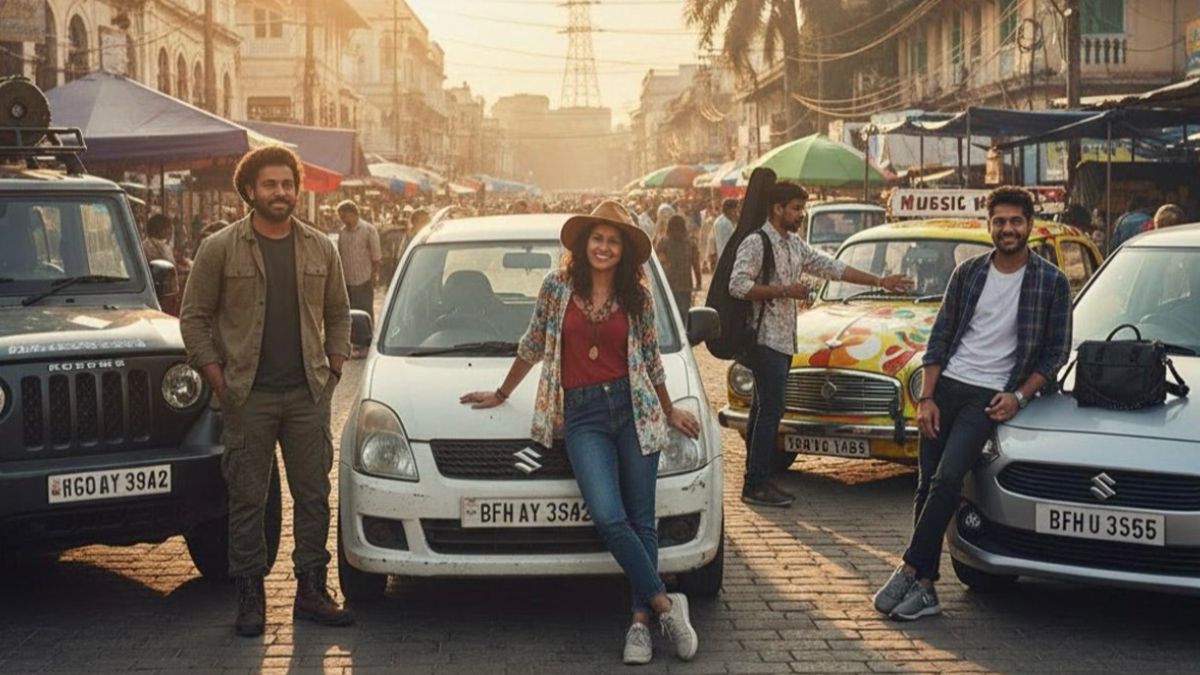
Buying behaviour is no longer just based on the price or the function of a product. Whether it’s sneakers, phones, or cars, people are making choices based on the vibe of the products. Lifestyle has become a purchase consideration, and cars are no exception. This is supported by data as well: India’s household consumption has doubled in the last 10 years, at a staggering US$2.1 trillion in just 2023 and a third of that is discretionary spending. Consumers are spending more on fashion, gadgets, and experiences, not just necessities.
This change is also known as the “vibe economy.” It’s not just about choosing products that are functional, it’s about choosing products that are a reflection of who you are, not just what you need. For car buyers, especially in the second-hand space, this means people are now going beyond pure functionality, such as fuel efficiency or boot space. The car you drive is now part of your personal story and the market for used cars has grown enough to make that choice affordable.
What Exactly is the ‘Vibe’ Economy?
The vibe economy doesn’t involve trends that come and go. It’s about identity. Today’s consumers want products that make them feel as if they are living according to their lifestyle. For some, that involves practicality and savvy savings. For others, it is about being distinctive in something that is unique.
Cars sit at the centre of this. For years, the Indian automobile industry had been about reliability, mileage and affordability. While those factors are still important, as the middle class grows and young buyers make decisions differently, those old rules are changing. For instance, hatchbacks are no longer thought of as a tiny city car, but a statement of efficiency and being urban. An SUV is not just for space, it’s chosen for adventure, features and weekend getaways.
Moreover, rather than weighing up massive high bills, people are looking at used cars as a more favourable alternative. This change means that buyers can now search for a vehicle that aligns with their “vibe” without incurring the premium price tag of a new car.
For instance, while the general consensus of an ideal first pre owned car could be the Alto, today’s consumers might prefer a used Renault Kwid over it thanks to its rugged styling and features that set it apart from other budget cars.
Why Lifestyle Matters More Than Ever?
People now value experiences, flexibility and self-expression. Here is how people are now incorporating their lifestyle into their car choices:
- Young professionals prefer sporty hatchbacks or compact SUVs that are perfect for commuting to work during the day and heading out in the evening.
- Families are likely to choose a solid sedan or bigger SUV that is safe for the kids and roomy without compromising comfort.
- Environmentally conscious buyers choose CNGs, hybrids, and EVs as a sustainable choice.
- Regular travellers look for rugged build options with features for long drives and outstation tours.
By knowing what is important for lifestyle, buyers can ensure that they aren’t easily tricked into buying features that they won’t actually use in their daily lives. Instead, they can place more emphasis on finding a used car that fits their lifestyle just right.
The Growing Appeal of Used Cars in the Vibe Economy
The second-hand car market in India has seen a surge in popularity. People are attracted to the affordability and availability of used cars, so pre-owned car sales are now outpacing new car sales. The size of the used car market was estimated to be around USD 36 billion in 2024, and is likely to reach USD 101 billion by 2033, with a CAGR of 12.3%. The options are now wider than ever, for all budgets and lifestyles.
Here are some reasons why used cars work so well in the vibe economy:
- Lower entry cost: Premium segments are available at a reduced cost. For example, a three-year-old mid-range SUV can typically be bought for the same price as a new hatchback.
- More room for experimentation: Because of their relatively lower cost, buyers are open to experimenting with vehicles that offer more personality than practicality with used cars.
- Slower depreciation hit: The value will have the most dramatic drop-off in the first few years. Buying used means avoiding that initial drop.
- Diverse options: Whether it’s sporty hatches or luxury sedans, reliable vehicles are available in all categories and many times under warranty.
Buyers can find cars that match their lifestyle goals without going all out on their budget.
How to Match Your Car with Your Lifestyle?
Finding the right fit in the used market takes a little thought and some planning.
Step 1: Define Your Lifestyle Needs
- Daily city commutes = compact hatchback or small sedan.
- Frequent highway travel = a sedan with comfort and stability or a reliable SUV.
- Family-first = spacious SUVs or MPVs with strong safety ratings.
- Eco-conscious living = CNG, hybrid, or EV models.
Step 2: Set a Realistic Budget
Don’t get carried away by features or brand names. You also need to compare total ownership costs: fuel, insurance, service, parking, resale value, etc., as the right car should not crunch your finances.
Step 3: Check the Car’s History and Condition
Always review service records, insurance history and accident reports. Professional inspection, test drives and evaluation can help you filter out cars that might be hiding problems.
Smart Questions to Ask Before Buying
- Is this a car for daily use or is it being purchased for occasions?
- Is the running cost something I can easily afford for the next three years?
- Will this car still feel like “me” two years from now?
- What is the resale value likely to be, and how busy is the market for this model?
Asking these questions will make sure that the decision is made from a place of reality rather than impulse.
Summary
The vibe economy has changed the mindset of many towards cars. The key is no longer about the basic functions; it is about whether the car was designed to meet lifestyle and if it brings value to your daily life. Whether it is 2nd hand Renault cars or Maruti, the used market offers the most suitable balance: affordable access, options for all tastes and less chance of dramatic depreciation.
By understanding your lifestyle needs, setting a fixed budget, considering vehicle history, and factoring in resale value, you can find a used car that is just as functional as it is personal. And when your needs change, selling is now easier than ever.

