


Biotechnology is one of the most exciting and fast-moving industries in the world. It brings together science, medicine, and innovation to develop therapies that can change — and even save — lives. But even as the industry grows, one major challenge remains: retaining diverse talent.
Many companies have publicly committed to diversity, equity, and inclusion. But keeping talented people from underrepresented backgrounds in biotech requires more than statements or short-term programs. It requires culture, support, and long-term investment — and mentorship is one of the most powerful tools to make that happen.
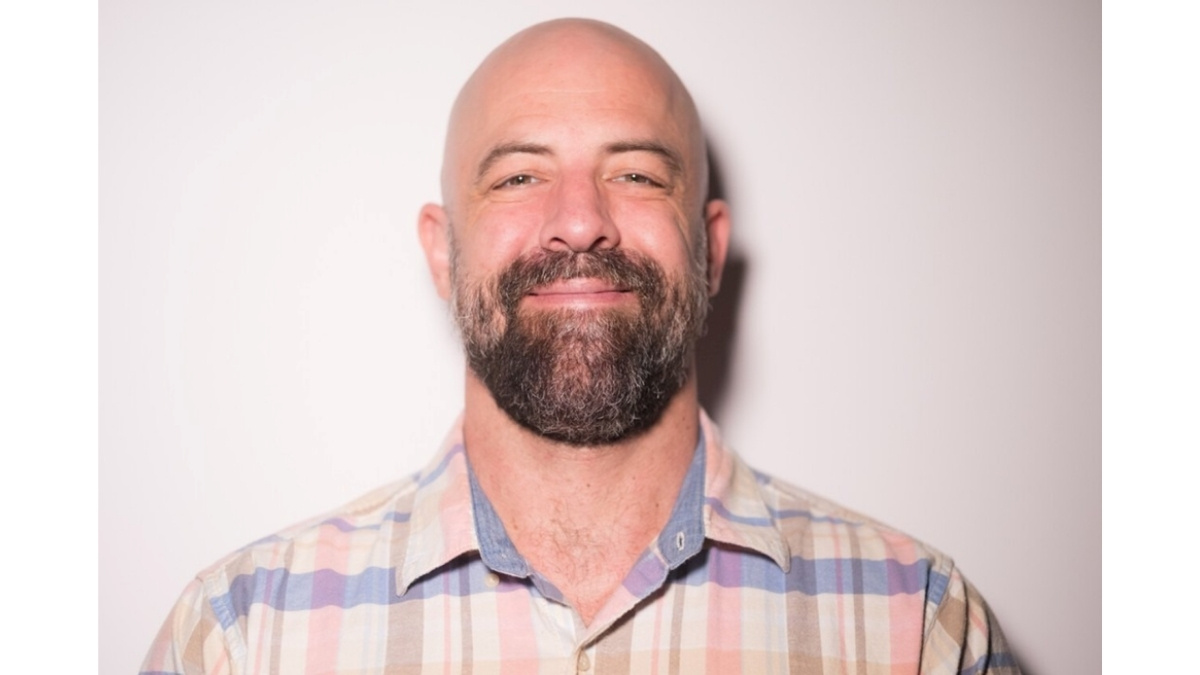
Dr. Leigh Beveridge, an Australian-born physician-scientist and senior biotech leader, has spent years working inside large organizations like Genentech and Servier. He believes mentorship is not just helpful — it is essential.
“Diversity doesn’t sustain itself automatically,” Dr. Beveridge explains. “People stay where they feel seen, supported, and able to grow. Mentorship is one of the clearest ways to create that environment.”
Why Retention Matters More Than Recruitment
Many biotech companies focus heavily on hiring diverse candidates. Recruitment is important, but retention is where real change happens.
It’s not enough to bring people into an organization if they don’t feel included once they arrive.
Dr. Beveridge points out that diverse employees often face challenges that others may not notice.
“Sometimes the barrier isn’t the science,” he says. “It’s the experience of navigating systems where you don’t have the same access, networks, or informal support.”
Mentorship helps close that gap.
Mentorship Creates Belonging
One of the biggest reasons people leave large organizations is feeling isolated. This is especially true for employees who are one of the only people like them in a department or leadership pipeline.
Mentorship builds connection.
“At its core, mentorship is about belonging,” Dr. Beveridge says. “It tells someone: you’re not doing this alone, and your presence here matters.”
When people feel they belong, they are more likely to stay, contribute, and lead.
What Mentorship Actually Looks Like in Biotech
Mentorship is often talked about in broad terms, but what works inside large biotech organizations is specific and practical.
Dr. Beveridge emphasizes that good mentorship is not just casual advice — it is active support.
“Effective mentors don’t just answer questions,” he explains. “They open doors, advocate in rooms you’re not in, and help you navigate the unwritten rules.”
In biotech, mentorship can include:
- Career guidance for early-stage scientists
- Support for clinicians transitioning into industry
- Sponsorship for leadership opportunities
- Coaching through high-stakes projects
- Helping employees build confidence and visibility
Mentorship is not one-size-fits-all. It must be personalized and intentional.
Sponsorship Is the Missing Piece
One important distinction in large organizations is the difference between mentorship and sponsorship.
Mentors provide guidance. Sponsors provide opportunity.
Dr. Beveridge says sponsorship is what truly changes career trajectories.
“A mentor might help you grow,” he says. “A sponsor helps others see your value and puts your name forward when it counts.”
Retention improves when diverse employees are not only supported, but also promoted, recognized, and trusted with leadership.
Mentorship Supports Inclusive Leadership Pipelines
In biotech, leadership roles often require more than technical excellence. They require visibility, networks, and confidence navigating complex systems.
Without mentorship, many talented individuals are left out of advancement pathways.
Dr. Beveridge has seen how mentorship strengthens leadership pipelines.
“When organizations invest in mentorship, they’re not just helping individuals,” he explains. “They’re building the next generation of leaders who reflect the world we serve.”
This is especially critical in healthcare, where diverse perspectives lead to better research and better patient outcomes.
Creating a Culture Where Mentorship Works
Mentorship cannot survive as a side project. It has to be part of the culture.
Dr. Beveridge believes the strongest organizations treat mentorship as a leadership responsibility, not an optional activity.
“Mentorship works when it’s embedded,” he says. “When leaders are evaluated not only on results, but on how they develop people.”
Companies can support mentorship by:
- Creating structured mentorship programs
- Training managers in inclusive leadership
- Recognizing mentorship in performance reviews
- Supporting employee resource groups
- Encouraging cross-functional mentorship across departments
When mentorship is valued, it becomes sustainable.
Psychological Safety Is Key
Retention depends on whether employees feel safe speaking up, asking questions, and being themselves.
Dr. Beveridge, who actively supports LGBTQ+ inclusion in STEM and biotech leadership, says mentorship plays a major role in creating psychological safety.
“People thrive when they don’t have to edit who they are at work,” he explains. “Mentorship can create spaces where authenticity is supported, not penalized.”
Diverse talent stays when workplaces are not only inclusive in policy, but inclusive in daily experience.
Mentorship Is a Long-Term Investment
Mentorship is not a quick fix. It takes time, trust, and consistency.
But Dr. Beveridge believes it is one of the highest-impact investments a biotech organization can make.
“If you want innovation, you need different voices,” he says. “And if you want different voices to stay, you need systems of support that are real.”
Mentorship improves retention, strengthens culture, and helps organizations deliver better science.
Advice for Organizations and Leaders
Dr. Beveridge encourages biotech leaders to take mentorship seriously and make it actionable.
“Don’t just ask, ‘Do we have diverse talent?’” he says. “Ask, ‘Do we have diverse talent thriving five years from now?’ That’s the real test.”
His advice is simple:
- Pair mentorship with sponsorship
- Build programs that are structured, not symbolic
- Measure retention, not just hiring
- Create cultures where inclusion is daily, not occasional
The Future of Biotech Depends on People
Biotech is ultimately about improving lives through science. But science depends on people — and people do their best work when they are supported.
Dr. Leigh Beveridge in Australia believes mentorship is one of the clearest ways to retain diverse talent and build stronger organizations.
“At the end of the day,” he says, “mentorship is how we make sure brilliant people don’t just enter biotech — they stay, grow, and lead.”

