

Stay Alert! Scammers now impersonate as delivery agents to conduct USSD-based call forwarding scam

In the past few years, various scam techniques have come to light that are used to trick people into giving scammers money or personal information, often through calls, text, email, or social media. The government has also been warning users about such scams and urging them to report such fraud attempts (if faced).
Well, recently the government has issued a new advisory for USSD-based call forwarding scam.
The National Cybercrime Threat Analytics Unit of I4C has observed a trend in cybercrime where USSD (Unstructured Supplementary Service Data) code is being used to enable call forwarding by scammers.
Confused about what USSD is? A USSD is a special sequence of numbers, an asterisk “*”, and hashes “#” used to interact with a Telecom Service Provider or access telecom services without needing an internet connection.
How does the USSD-based scam work?
- Cybercriminals impersonate as delivery or courier service agents and contact citizens under the pretext of confirming or rescheduling deliveries.
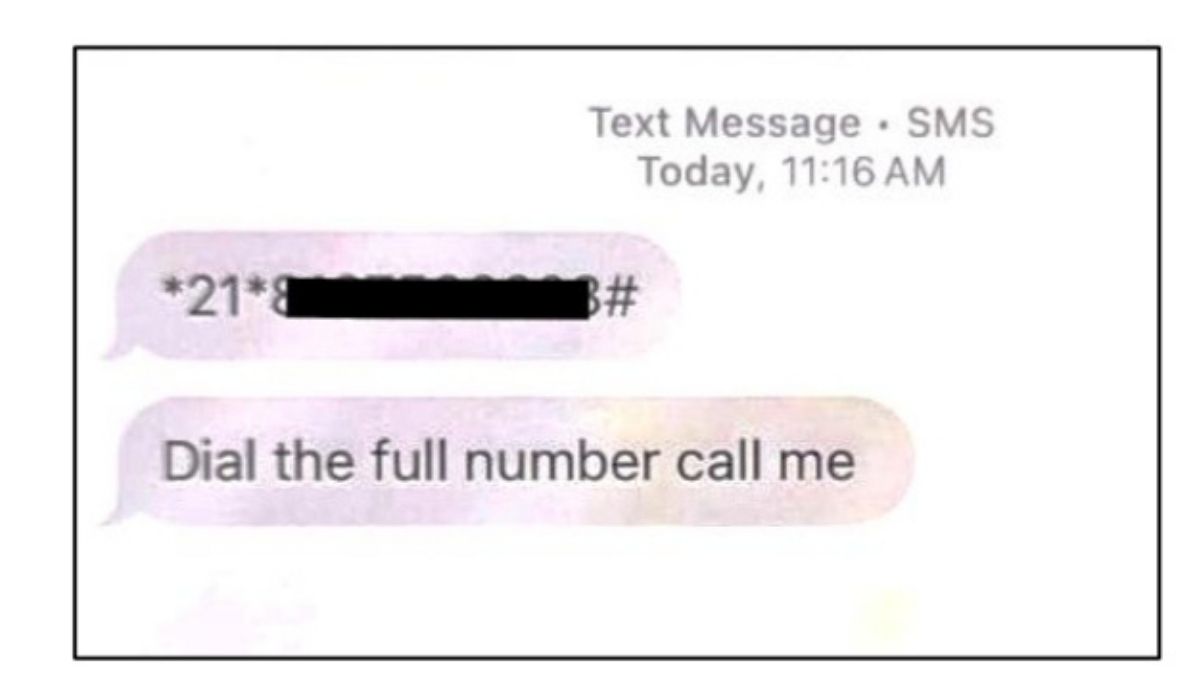
- Victims are then instructed to dial codes sent via SMS that begin with *21*, followed by a mobile number (belonging to a fraudster).
- Dialling such a code automatically achieves call forwarding on the victim’s mobile phone. This results in calls from banks, payment OTP verifications, or authentication codes of WhatsApp/Telegram, etc., automatically redirecting to the fraudster’s phone number.
- This results in unauthorised financial transactions as well as WhatsApp/Telegram account hacking.
To avoid such scams, users are advised to take some precautions:
- Do Not Dial or enter any USSD code beginning with *21*, *61*, *67*, or similar prefixes shared by unknown callers.
- Deactivate all forwarding: In case call forwarding is activated, dial ##002#, which will instantly cancel all call forwarding services (busy, unreachable, no-answer).
- Do Not Click on suspicious courier or delivery links received via SMS, WhatsApp, or email.
- Verify Delivery Details directly with official courier services through their website or customer care helpline.
- Report any fraudulent applications or any scam incident immediately to 1930 or www.cybercrime.gov.in
