

India reportedly prepares to bar uncertified CCTV sales and other video surveillance products from April 1

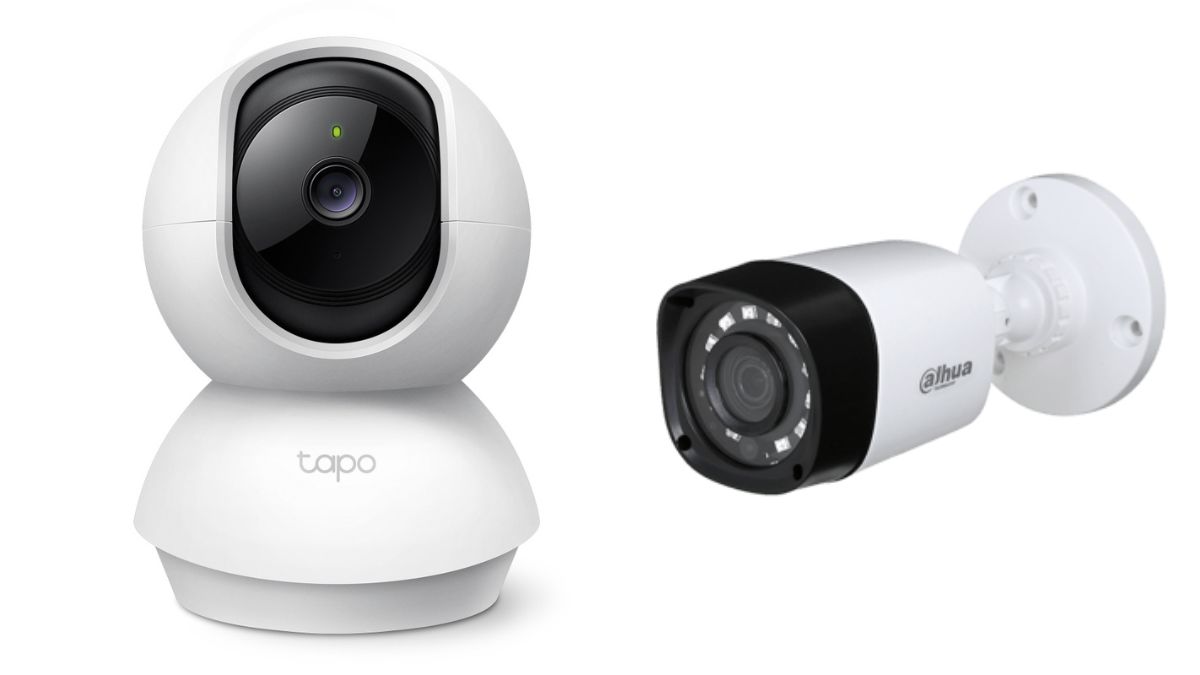
Big shocker for Chinese video surveillance brands like Hikvision, Dahua Technology and TP-Link! According to a report by ET Telecom, India is preparing to bar the above companies from selling internet-connected CCTV cameras and other video surveillance products from April 1.
Back in April 2024, the Ministry of Electronics and Information Technology (MeitY) introduced the essential requirements (ER) norms for CCTV cameras, giving the industry a two-year transition window to certify each product under the STQC (Standardisation Testing and Quality Certification) regime at certified labs.
The norms require CCTV camera manufacturers to declare the country of origin of critical components, such as SoC and the devices tested against vulnerabilities that could allow unauthorised remote access to accredited labs.
Citing industry executives, it is revealed that the government is explicitly refusing to certify products made by Hikvision, Dahua Technology and TP-Link, and those using Chinese chipsets, effectively shutting them out of the market.
Now, with new certifying rules coming into effect from 1st April, the sale of uncertified CCTVs and other video surveillance products will be barred.
It is revealed that till last year, Chinese brands accounted for one-third of all CCTV sales in India, but with these new rules, domestic brands like CP Plus, Qubo, Prama, Matrix and Sparsh are expected to cater to the market share, as they have shifted their supply chains to rely on Taiwanese chipsets and localised firmware.
The Chinese companies are pushed to either alter their supply chains or exit the market completely. According to Counterpoint Research, the CCTV market, once dominated by Chinese brands, is now controlled by Indian brands by over 80% as of February. Though the US-brands like Bosch and Honeywell have still captured the high-end portion of the market.
This move by the Indian government gave a lot of advantages to the domestic brands in the country, but moving away from Chinese suppliers, however, has increased the overall prices of CCTV cameras.
